The Birth Of The Melbourne Vinayagar Hindu Sangam (MVHS)
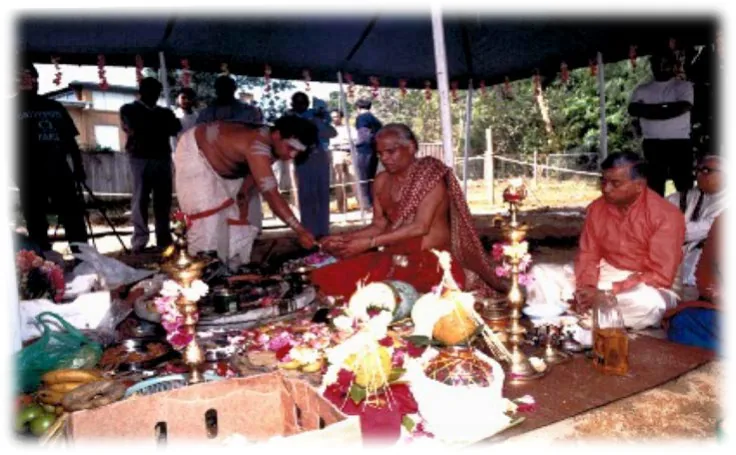
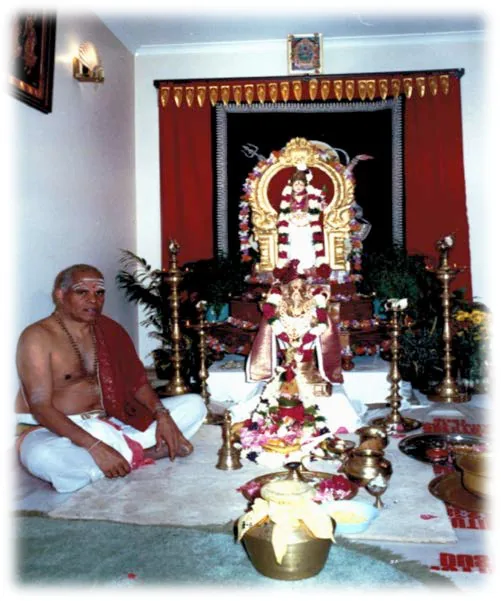
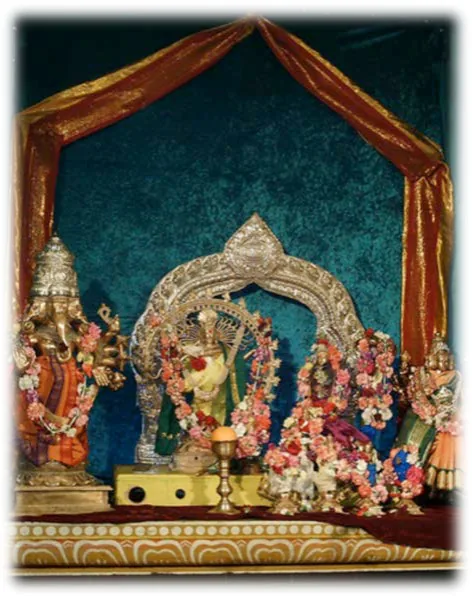
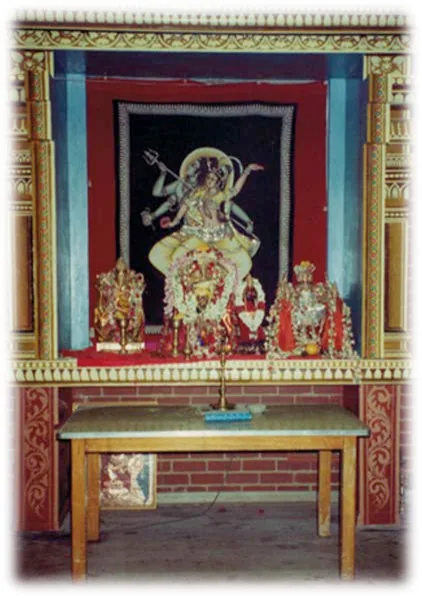
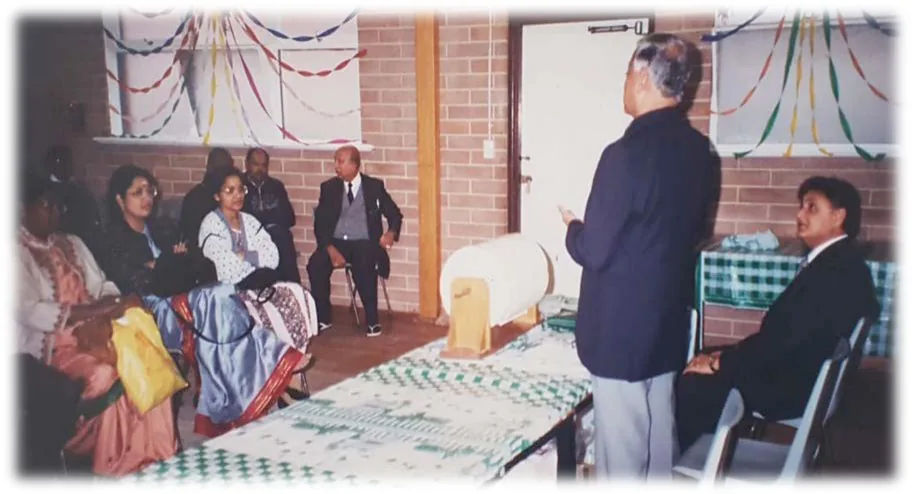
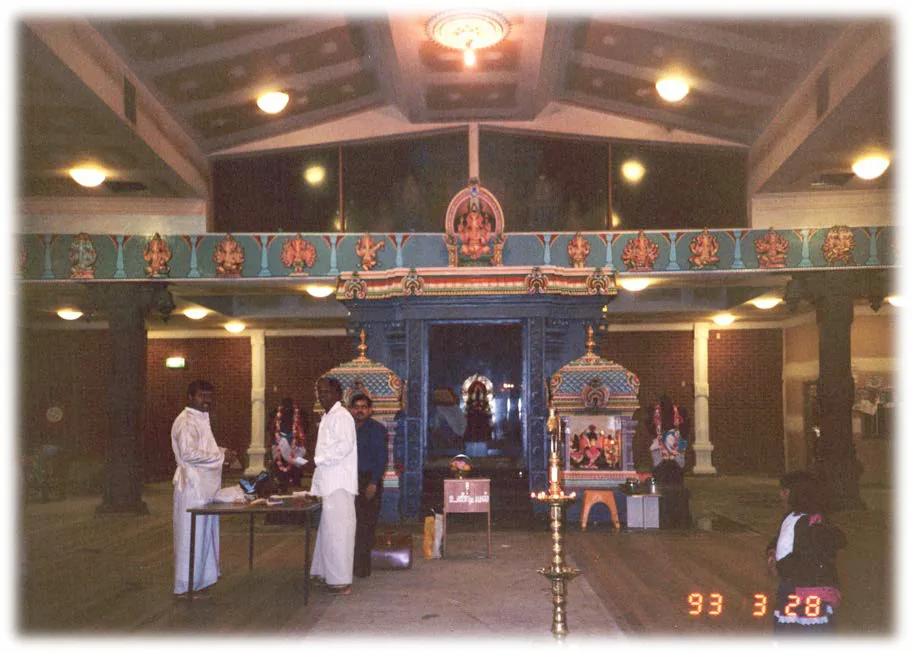
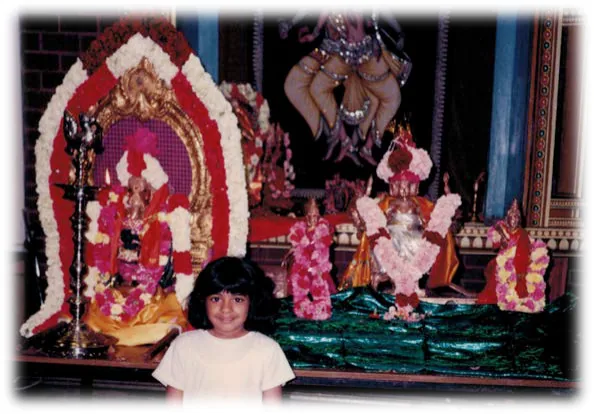
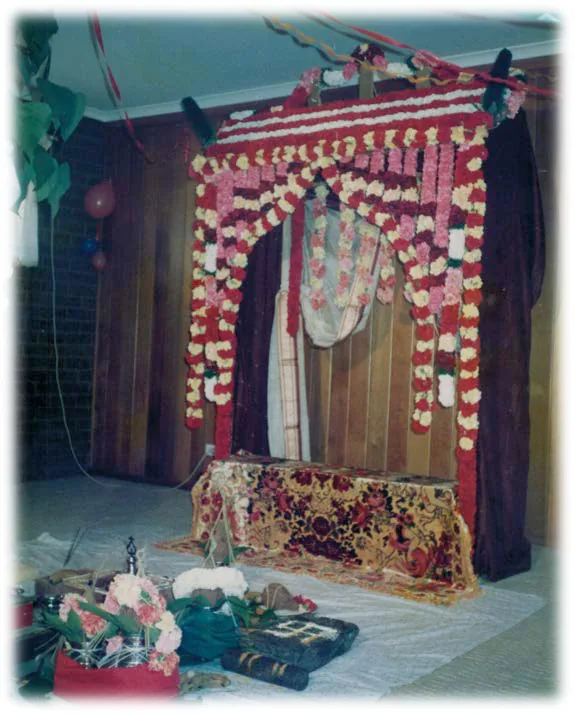
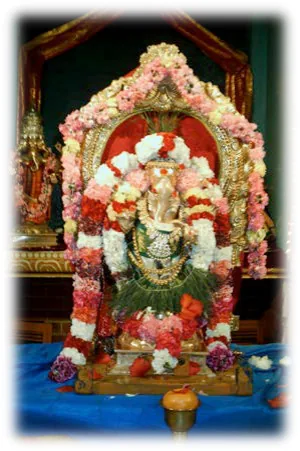
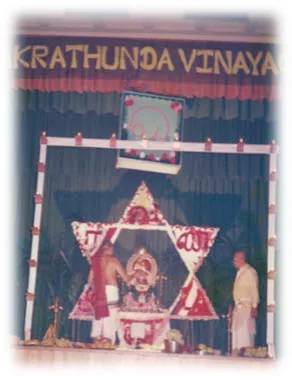
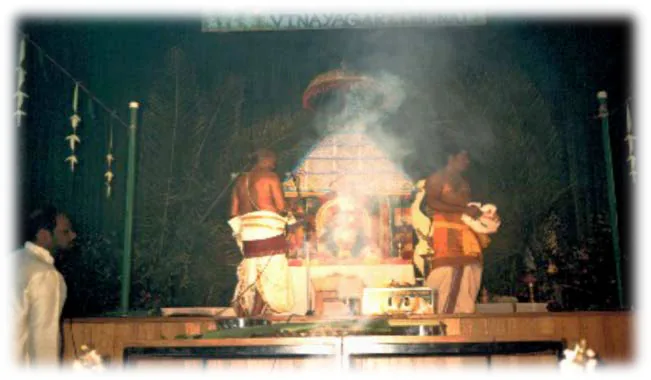
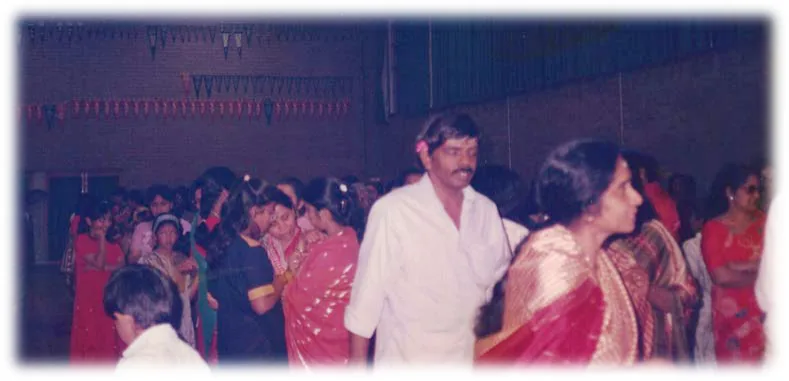
January 1st 1990 is an important date in the history of the Temple. This was the first ever gathering of all devotees at the Camberwell School Hall to celebrate the New Year. More than 500 people attended this event. The very first Sangabhishekam to the Utsava Moorthy (Panchaloga Vinagayar) was carried out at this hall.
On the 1st January 1990 function, a lottery was drawn amongst all those who had promised to become a Life Member (payment of $5,000) to select one from amongst them to become a Trustee of the temple. Dr J Maheswaran was selected. It was after this event that the work of raising funds began earnestly by members, both young and old.
The application for the registration of the Melbourne Vinayagar Hindu Sangam was lodged by Mr Sivagnanam K Pillai on 7th March 1990. The final registration came through on 29th May 1990, the day the Society was born. The goal of the Sangam was to build a temple dedicated to Lord Vinayagar.
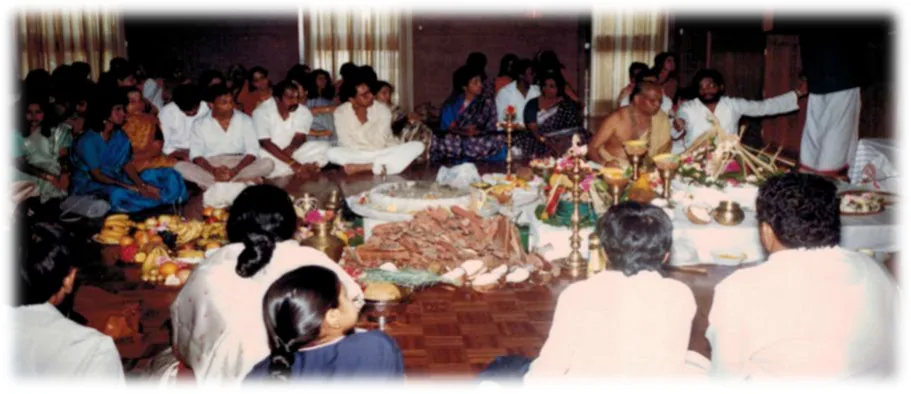
Pooja Committee established
The Pooja Committee was established to schedule and organise poojas for each year. A newsletter called Saiva Neri was distributed to members to inform them about the Temple events and poojas.
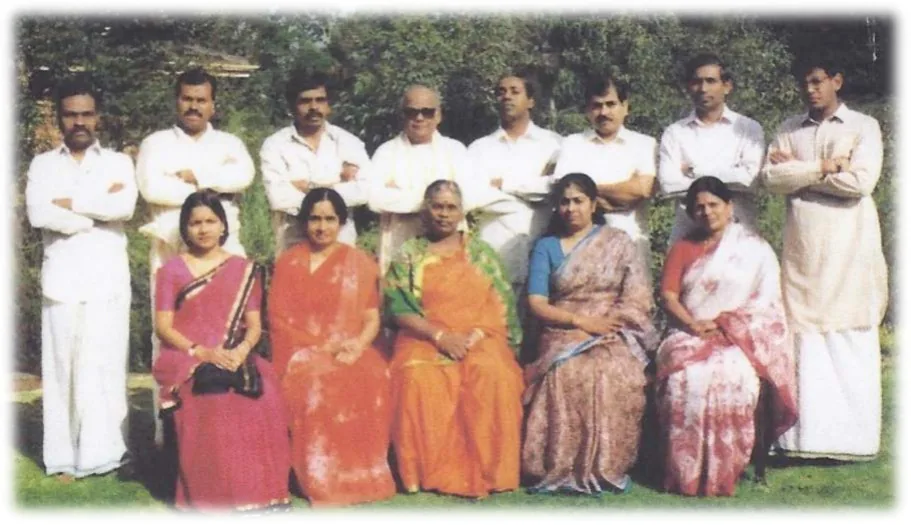
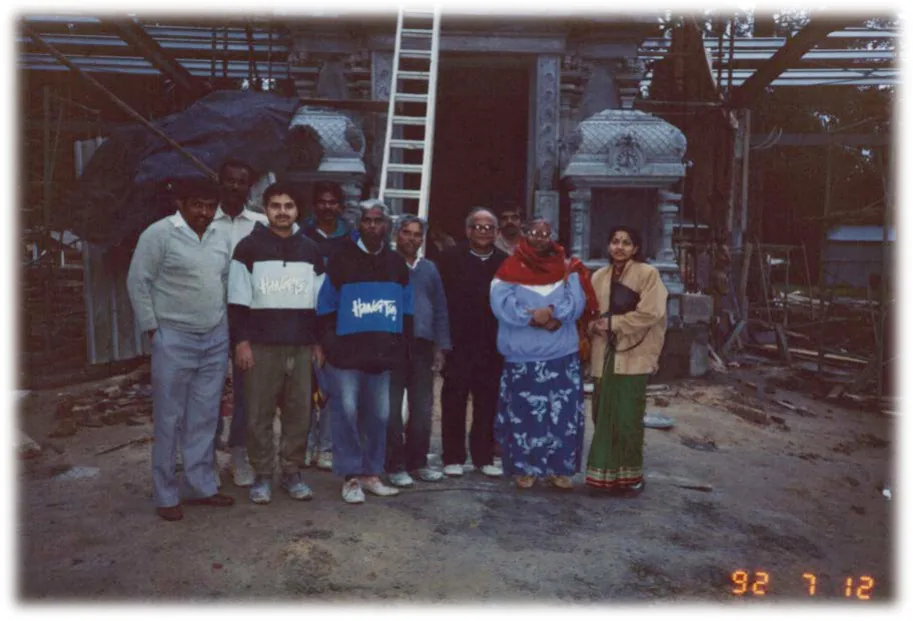
Standing left to right: Mr V Canagalingam, Mr K Shanmugaratnam Pillai, Mr T Sivanathan, Mr S Somasundram, Mr K Varatharajalingam, Mr K Thanabalasingam, Mr K Thuraisingam, Mr S Kumarakuruparan.
Since the inception of the Sangam, and until the Consecration, three different priests had performed poojas and conducted festivals. They included Sri Gnanasegara Kurukkal, Sri Vijayan Sarma and Sri Arumuga Iyer. Amongst the priests, Gnanasekara Kurukkal was the longest serving priest at that time. He was such a dedicated priest that he would find ways to be very frugal in his approach and was always willing to help for the betterment of the temple. Most importantly, he was an inspirational mentor to all the members of the committee and to the congregation at large. He was also a fundraiser "par excellence".
The Pro-Tem Committee was ably chaired by Dr Shanmuganathan in the absence of the President Mr Nirmalan Pillai, who was operating from Singapore. Dr Shan, as he was fondly called, travelled around Victoria to canvas for funds, negotiated with councillors, and present the temple’s point of view at meetings with the Knox City Council.
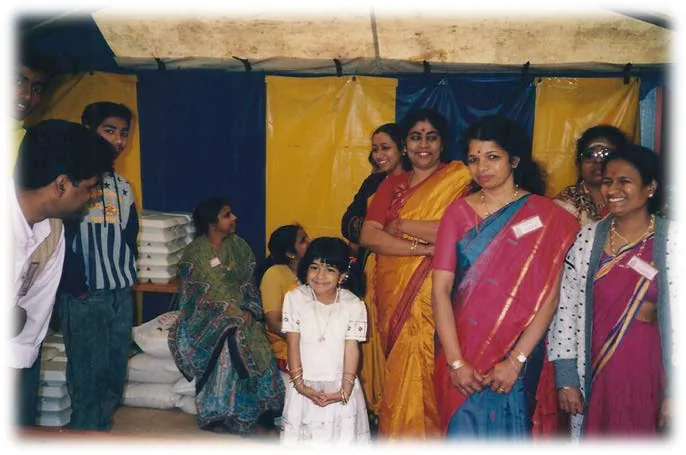
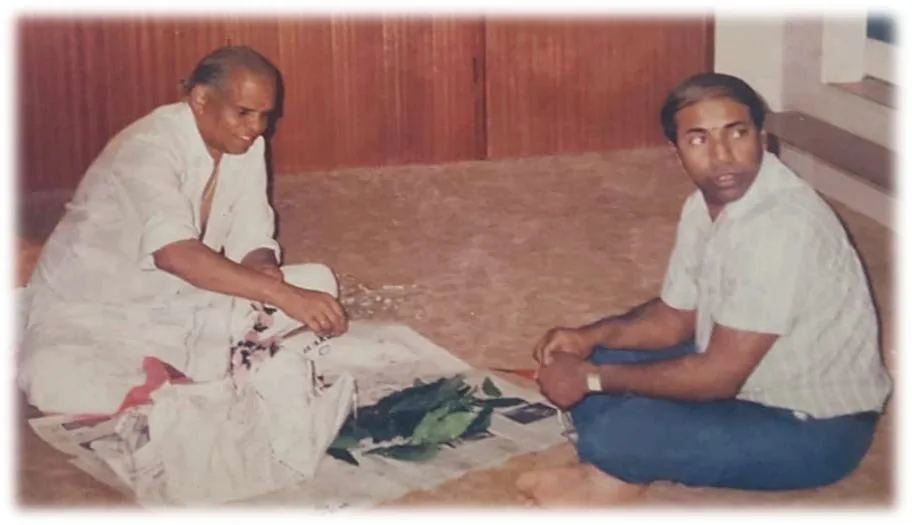
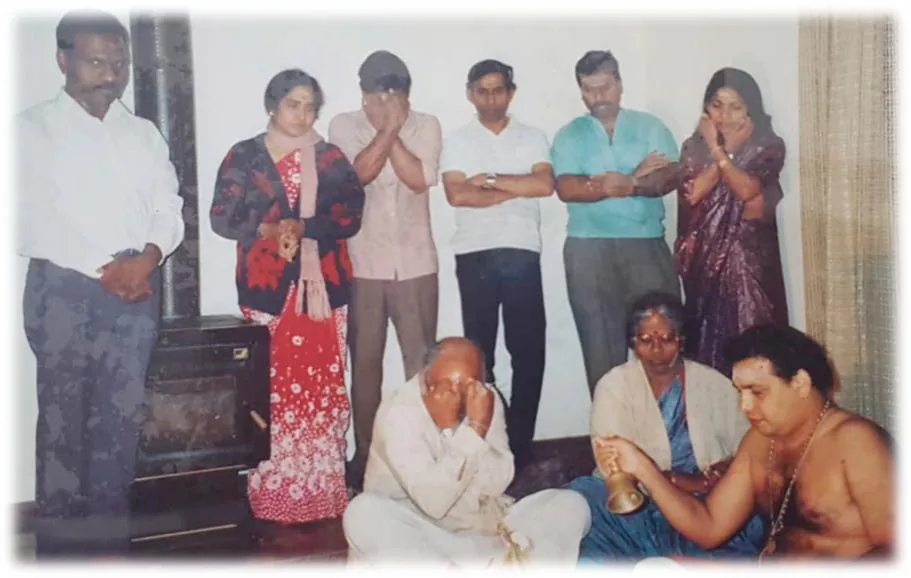
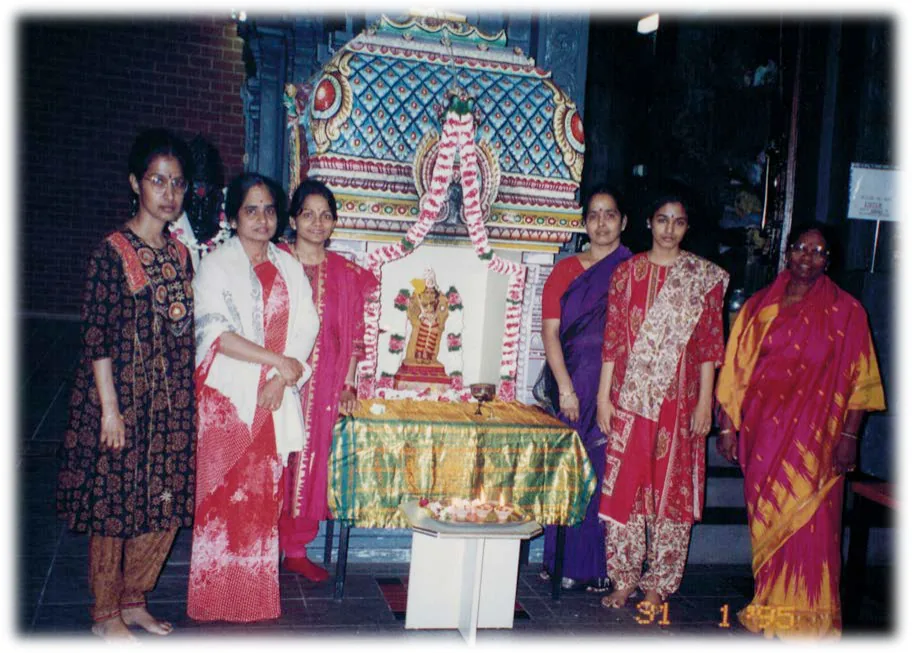
Pro-Tem Committee members and their wives were instrumental in looking after all the pooja requirements of the temple. Paramount to this effort is Mr Varatharajalingam, who travelled very far to buy the flowers from the farm and then come to 255 Porter Street, Templestowe, (Mr Pillai’s house) where the priest and other well wishers gathered to work on the preparation for the event. Mrs P Somasundram would be the one ensuring that all the various matters are looked after in a timely and auspicious way. Be it a Sathurthi, Tamil New Year etc. every time the deity was taken to a hall, the hall was first swept, and then mopped, (no matter the size) and then the deity was brought in. This aspect of the cleaning was generally done by Mrs P Shanmuganathan, Mrs R Senthooran, Mrs A Maheswaran, Mrs P Shanmugaratnam Pillai and Mrs S Thuraisingam. The deity would be carried by Mr K Thanabalasingam or Mr S Kumarakuruparan, together with Mr Canagalingam, in his van.
Mr Rajah Elangkumaran was instrumental for all the decorations for the event at the hall. In fact he prepared a sizeable “Om” which sparkled with lights for the very first Sangabhishekam on 1st January 1990.
Fundraising to build the first Vinayagar Temple in Melbourne
A temple building fund had been immediately set up after the formation of the Sangam. Five pioneers, Mr Nirmalan Pillai, Dr S Selvendra, Dr R Rajendra, Mr V Canagalingam, and Mr S Somasundram who later became the Trustees of the Sangam, each pledged $20,000. The Trustees were asked to pay the money immediately for the temple to be able to pay for the deposit of the land. Life membership of the Sangam was set at $5,000 and ordinary membership at $1,000, both of which were one off payments with no further annual subscriptions.
More than $300,000 had already been pledged even before the Management Committee began to look earnestly for a suitable site for the temple. Some members took personal loans of $10,000 each and gave that to the temple, which was repaid, by the temple over time. As the Sangam had not been formally incorporated, at the time of the purchase of the plot of land, it had to be bought in the name of the 6 Trustees, (the five above and Mr Joy Maheswaran the selected Trustee). In addition, Mr Nirmalan Pillai had to mortgage his house (386 Porter Street) to the bank before the bank would lend the money. This mortgage was subsequently redeemed in 1995 when the Sangam was able to borrow money in its own right.
Building a home for Sri Vakrathunda Vinayagar
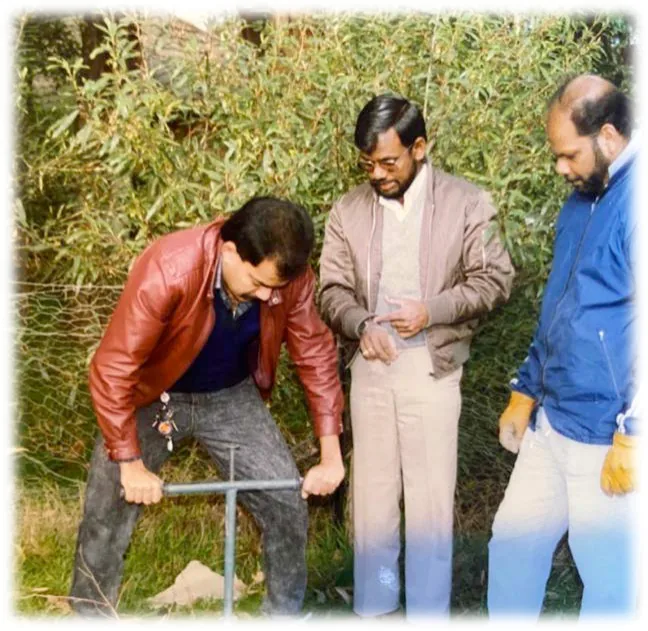
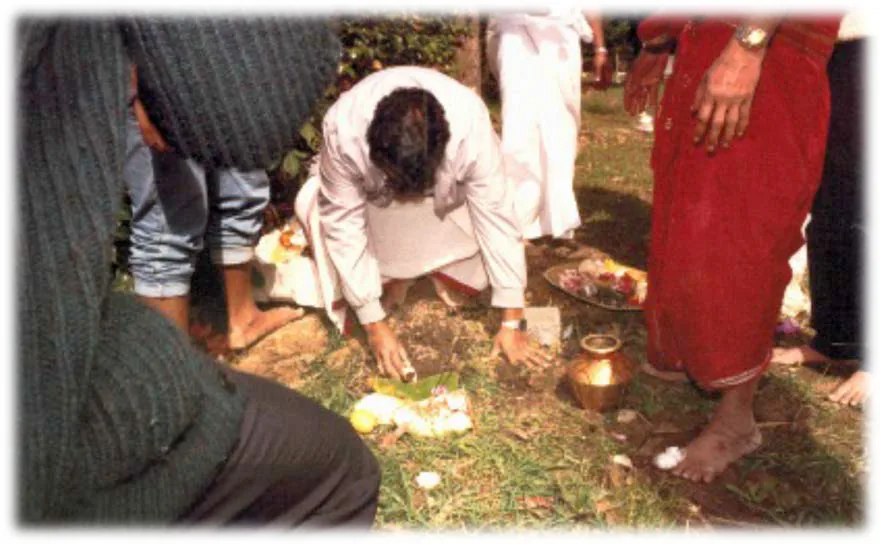
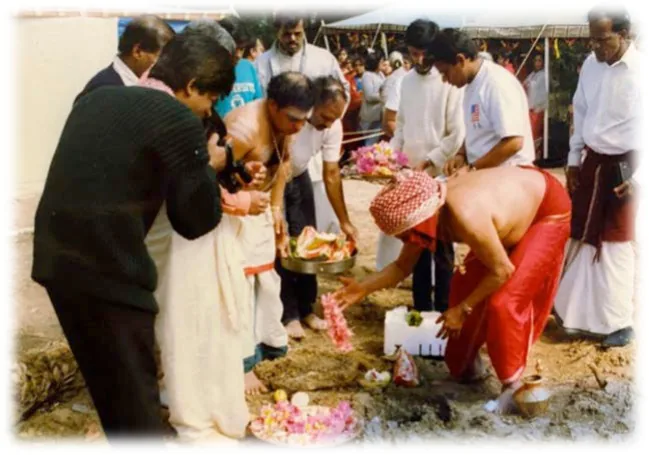
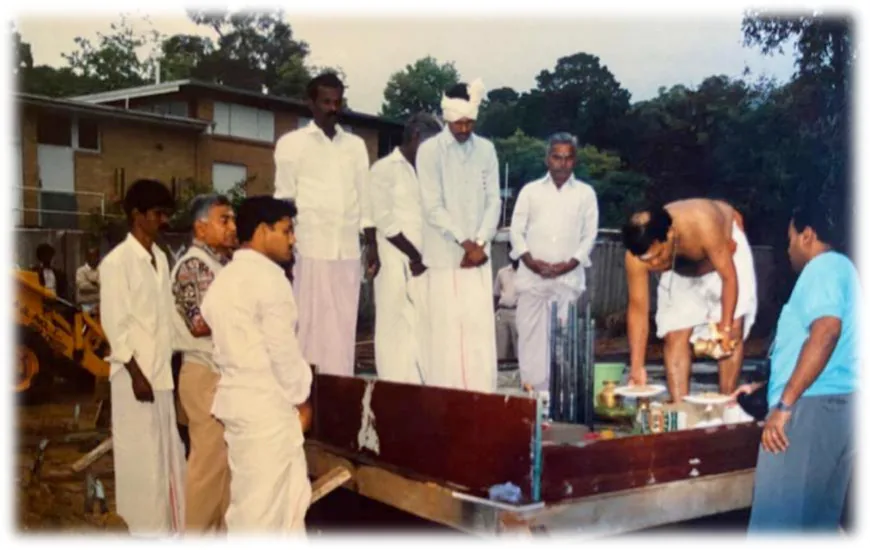
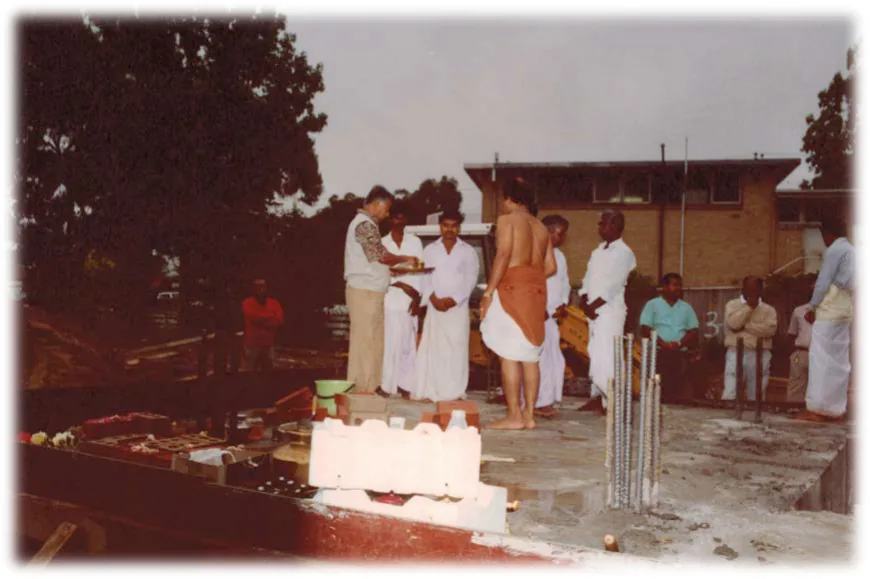
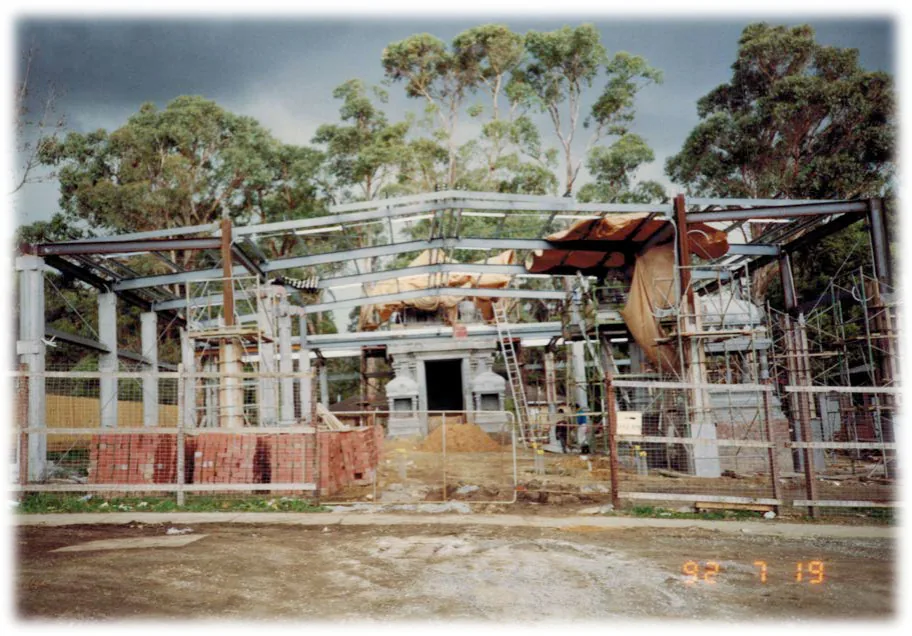
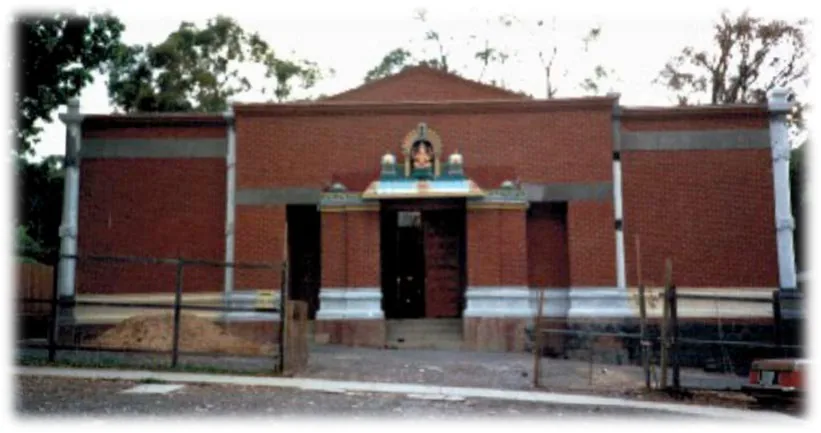
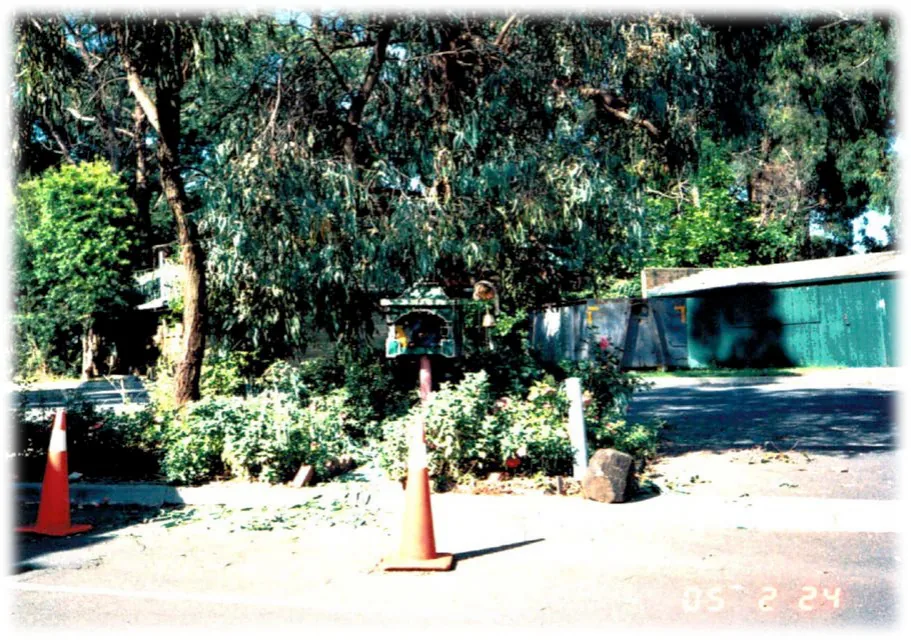
On 20th April 1990, the Management Committee successfully purchased a plot of land at The Basin. The site had formerly housed the disused St. Mary’s Anglican Church.
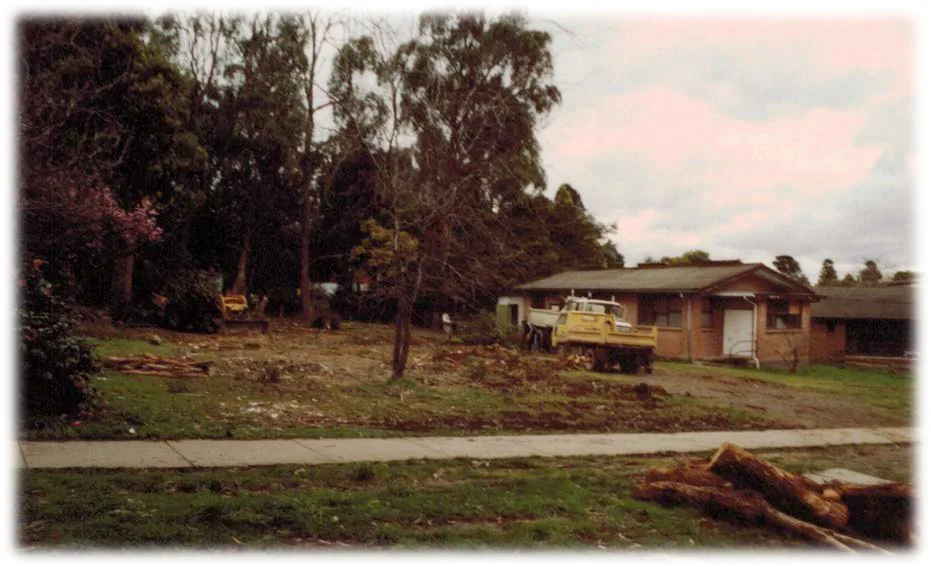
A Building Committee was set up under the leadership of Mr M Maheswaran and this committee included Mr Kanakeswaran as the first architect of the Temple. Other members of the committee were Mr Shanmugananthakumar, Mr A Wignarajah, Mr Devapalasundaram, Mr Loganathan, Mr P Senthooran, Mr Sivagnanam Pillai, Mr Y Suthan, Mr V Canagalingam, Mr N Jegaskanda, Mr P Thanenjeyan. This Committee was directed to prepare the necessary drawings, plans and specifications to apply for a planning permit to the City of Knox and take full charge of the construction of the temple.
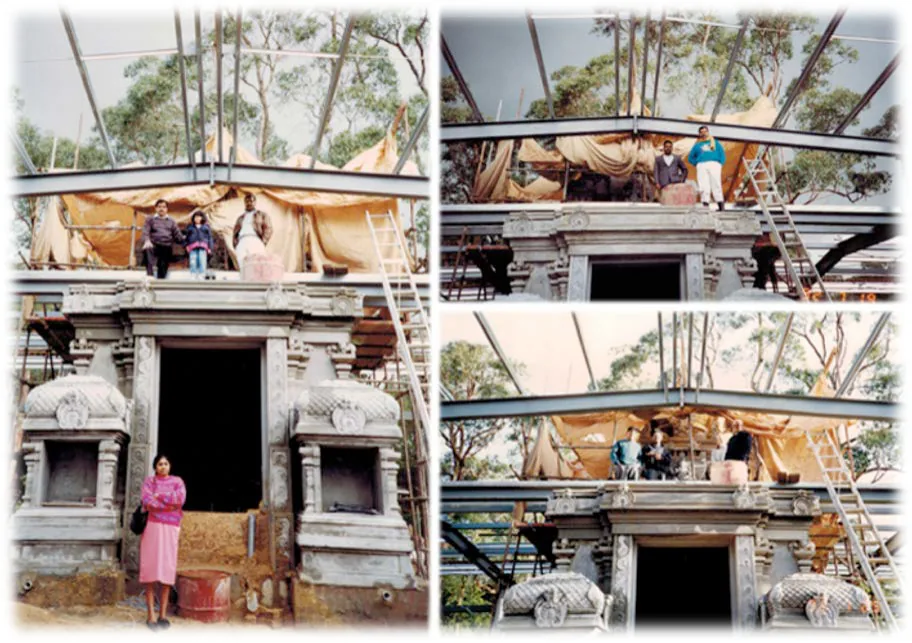
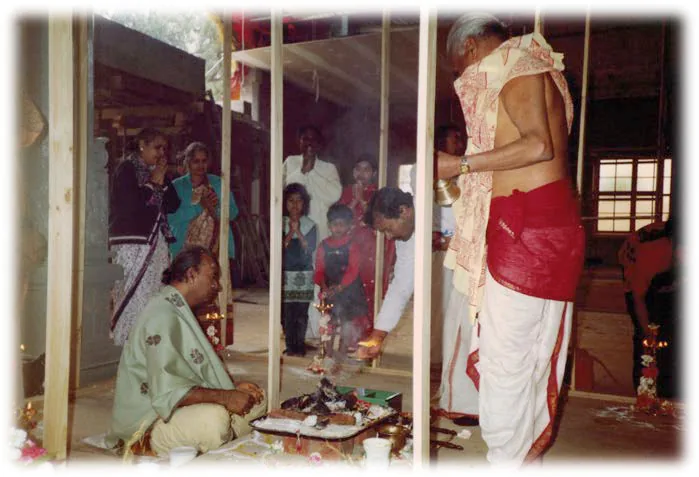
The building committee under the chairmanship of Mr M Maheswaran, civil engineer, worked tirelessly despite their full-time jobs. Mr M Maheswaran coordinated all the disciplines, to ensure that all aspects of the building works brought together in a timely fashion and the building was completed in time for the Kumbhabhishekam.
Mr Senthooran, a civil engineer, was also the secretary of the Sangam. In this role, he had to work double time to prepare agendas, minutes and follow up on all correspondence with outside organisations. As a member of the building committee, he tirelessly worked to secure known contractors to help with the construction works. This was all despite his full-time job. He was also responsible for regular inspections to ensure progress of works.
Mr Wignarajah was the mechanical engineer in the team and was responsible for all the heating and cooling systems in the temple. Mr Logeswaran was the electrical engineer and ensured that the lighting and other associated works were completed in accordance with the drawings.
Mr Shanmugananthakumar, a structural engineer, understood all the structural components related to the construction and instrumental in many of the structural calculations and drawings. Mr Devapalasundaram was the certifying engineer for all the structural components. Mr Jegaskanda, a civil engineer by profession, was the site supervisor. Mr Thananjeyan, a civil engineer, also helped in site supervision and surveying. Mr Balendra was also a key contributor to the construction of the temple in 1992.
Mr Kanakeswaran, an architect of the first Hindu temple in Victoria, was instrumental in conceptualising, drawing and amending them as the works progressed. In addition, he worked with the rest of the team to select the various materials and style of construction. Mr Kanakeswaran was a pillar of the organisation as the architect, who had to redo all this again for 2007 Kumbhabhishekam.
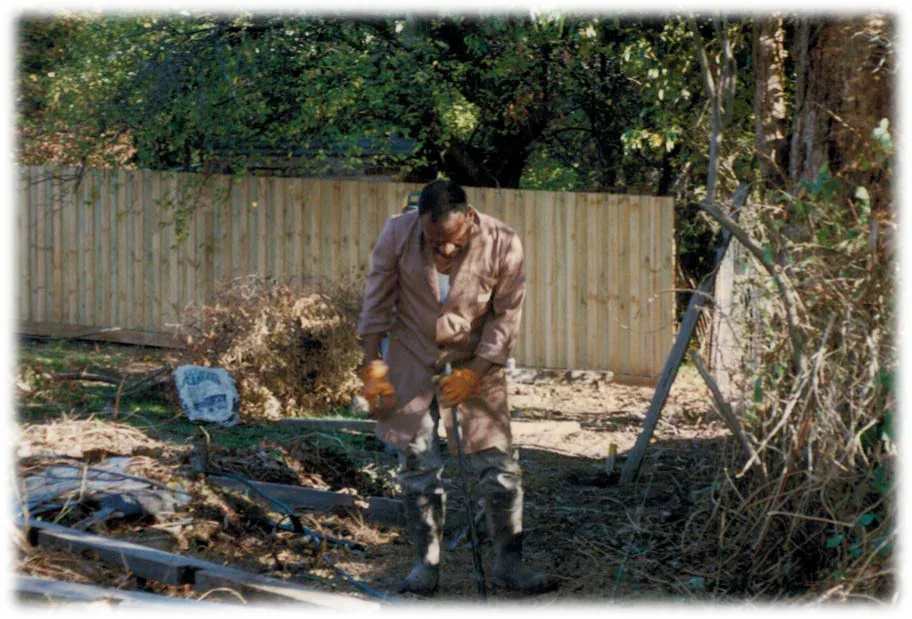
Mr Canagalingam, who later became a trustee, acted as "owner builder" for the entire construction of the temple. He did many of the "handyman" works, not the least of which included cooking for the Temple volunteers.
Mr Sivagnanam Pillai (who later took over the trusteeship from Mr Nirmalan Pillai) has to be acknowledged as the key member of the building committee in not only helping in the day to day physical handyman work, but also as a key liaison between the Management Committee and the building committee. Like Mr Kanakeswaran, Mr Sivagnanam Pillai continued this role in 2007 and has remained an active member of the granite transformation in 2020.
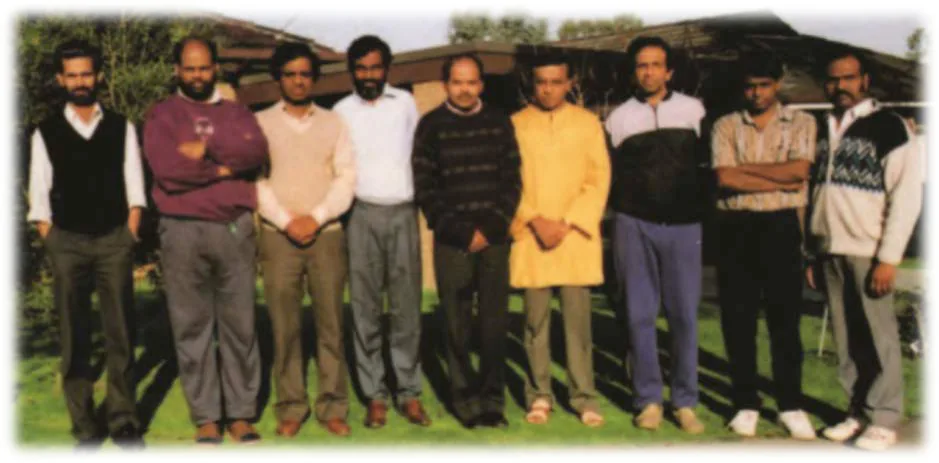
Absent: Mr J Purushothaman (Sthapati), Mr P Senthooran (Civil Engineer), Mr M Loganathan (Electrical Engineer), Mr N Jegaskanda (Asst. Construction Manager), Mr P Thananjeyan (Asst. Construction Manager).